
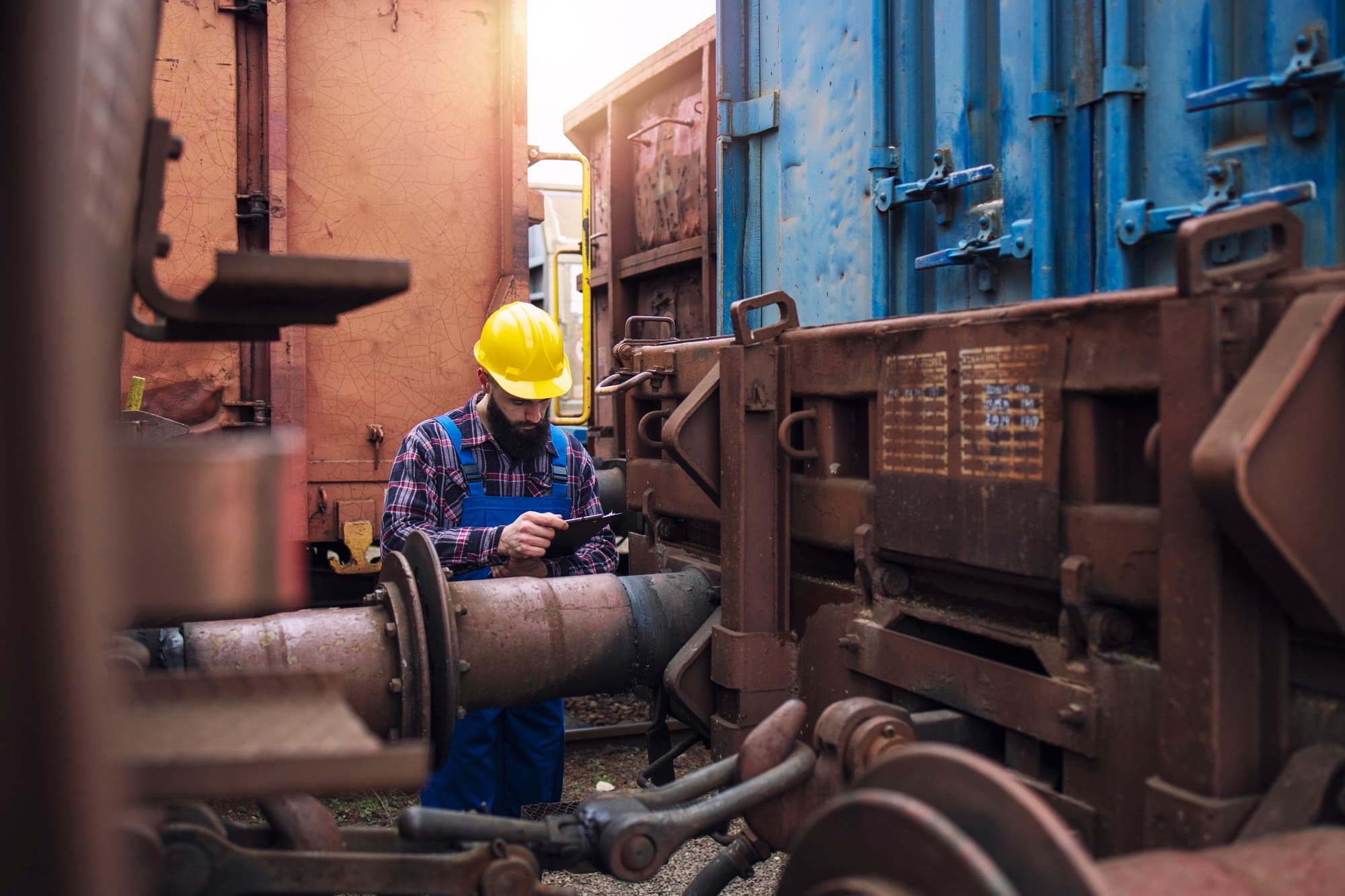
Your Comprehensive Guide to Ensuring Safety, Compliance, and Efficiency in Boiler Operations.
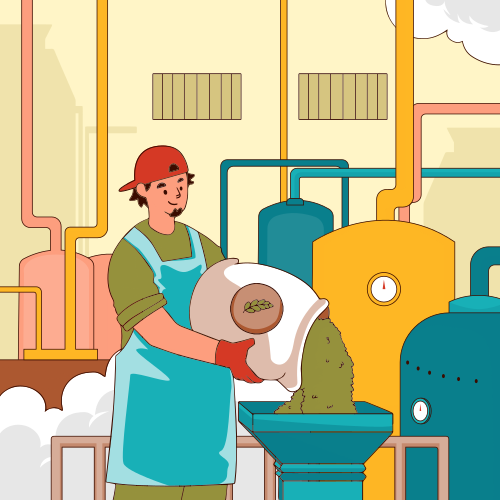
The Indian Boiler Regulation (IBR) is a comprehensive set of laws that governs the entire lifecycle of boilers and steam-generating systems in India. From material selection and design to fabrication, testing, installation, and in-service maintenance, the IBR's primary goal is to ensure the highest standards of safety and prevent catastrophic failures.
Established in 1950 under the Indian Boilers Act of 1923, these regulations are enforced by the Central Boilers Board (CBB). The CBB continuously updates the IBR to incorporate advancements in boiler technology and international safety standards, making it a dynamic and robust legal framework.
Compliance is not optional; it is a strict legal mandate. Any boiler, steam pipe, or related component cannot be manufactured, imported, or used in India without a valid IBR certificate issued by a government-recognized Inspecting Authority.
Achieving IBR certification involves a meticulous, multi-stage inspection process to ensure every component meets the prescribed standards.
Every design, from the overall boiler assembly to individual components, undergoes a thorough review and approval by the Inspecting Authority to ensure it complies with IBR codes for safety and structural integrity.
All raw materials (plates, pipes, forgings) must be sourced from IBR-approved mills and accompanied by proper certification. A Competent Person verifies and stamps the materials before use.
Inspectors monitor every critical stage of fabrication, including welding, edge preparation, heat treatment, and non-destructive testing (NDT), to ensure adherence to approved procedures.
All welders working on pressure parts must be qualified and certified specifically under IBR 1950 regulations, with their credentials verified by the inspection authority.
Upon completion, the boiler or component is subjected to a high-pressure water test to verify its strength, structural integrity, and leak-proof design under operational stress.
After successfully passing all inspections and tests, the final IBR certification (in the prescribed forms) is issued, officially authorizing the equipment for use in India.
IBR standards are designed to prevent boiler accidents, ensuring the safety of personnel and property.
Operating a boiler in India without IBR certification is illegal and can lead to severe penalties.
IBR-certified equipment meets stringent quality standards, which increases its reliability and efficiency.
IBR certification is a mandatory requirement for manufacturers to supply boilers and components in the Indian market.
Don't let regulatory complexities hinder your projects. Dhyana Enterprise provides expert guidance and fabrication services to ensure your systems are fully IBR compliant.
Contact Us for a ConsultationContact Us for a ConsultationWe offer a comprehensive range of fabrication services to meet your creative needs.

Our experienced installation team ensures that your project is delivered and installed safely and efficiently.
We offer ongoing maintenance services to keep your fabricated elements in pristine condition for years to come.

Our design team works closely with you to create unique concepts tailored to your specific requirements and vision.

Using advanced technology and traditional craftsmanship, we fabricate components with exceptional accuracy and quality.

We create detailed 3D models and prototypes to help visualize the final product before fabrication begins.

Custom-built industrial sheds for warehouses, factories, and workshops.

Custom fabrication of chemical process equipment, pressure vessels, and industrial storage tanks.